How to Fix a Dripping Tap
A drip from a spout means the sealing part inside the tap has worn away, so how to fix a dripping tap starts with naming your tap type. The tap then decides who may legally do the repair, because Queensland's rules are generous for one small part and strict about everything else.
If we're late, $100 comes off your bill
- Licensed and InsuredEvery job done by a licensed plumber. QBCC No: 15024607
- Fixed Quote FirstFlat-rate pricing, agreed before any work starts
- Lifetime Labour WarrantyBacked by our Fix-It-or-It's-Free guarantee (T&Cs apply)
- $0 Call-Out FeesNo extra charge for nights, weekends or public holidays
The postwar decades filled Aspley with brick and brick-veneer houses, and plenty of those bathrooms still run their original two-handle tapware. Aspley Plumbing Services rewashers, reseats and re-cartridges taps every week of the year.
What Seals Inside a Tap That Drips
A washer tap presses a rubber tap washer down onto a metal valve seat, while a mixer tap generally shuts off with a ceramic disc cartridge. Both do the same job in the end: one part bears down on another until the flow has nowhere to go.
A quick test tells you which type is on your basin or sink:
Compression, or washer, tap
hot and cold handles of their own, each taking several turns to close. The handle winds a spindle down, and the washer meets the seat.
Mixer tap
a single lever that usually turns about a quarter of the way, blending hot and cold at the spout. In nearly all of them, the sealing is done by a ceramic disc cartridge.
On a washer tap, the part carrying the washer is the jumper valve. The jumper valve rides at the bottom of the spindle and drops onto the seat each time you close the tap.
A drip tells you that sealing part has worn. On a washer tap the usual causes are the washer itself, the O-ring around the spindle, or a seat pitted by years of grit. Some mixers seal with a washer instead of a cartridge, and those follow the washer rules below.
Can You Change a Tap Washer Yourself
Yes, Queensland's regulator classifies a jumper valve or washer swap in a tap as unregulated work, so no plumbing licence is needed. Anyone with the appropriate knowledge, and the level of skill to match, may do it, and there is nothing to report afterwards.
One condition rides along with the permission: the work still has to reach the minimum standard set by the legislation and the codes. A washer swapped badly leaves you back where you started, and sometimes worse.
Everything else on a tap belongs to a licensed plumber. The unregulated list names a tap's jumper valve or washer and stops there, so a ceramic disc cartridge is out of bounds for the home handyman. The QBCC's guide for home owners uses replacing a whole tap as its own example of work that needs a licence.
Two safety lines apply before anyone touches a tap:
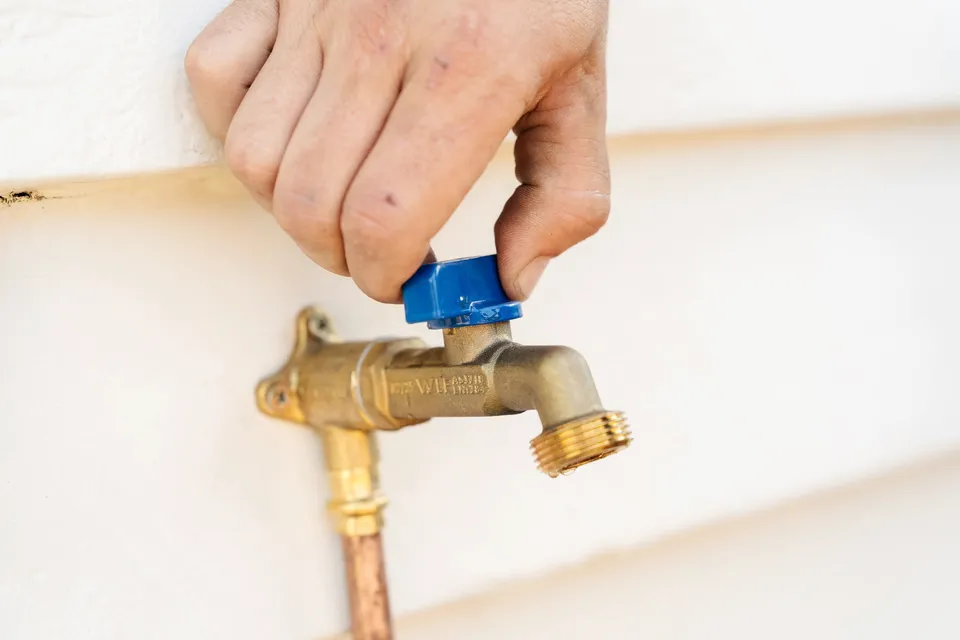
- close the tap's own isolation valve if it has one;
- if there is no isolation valve, shut the stop tap back at the meter.
When the Drip Is Not the Washer
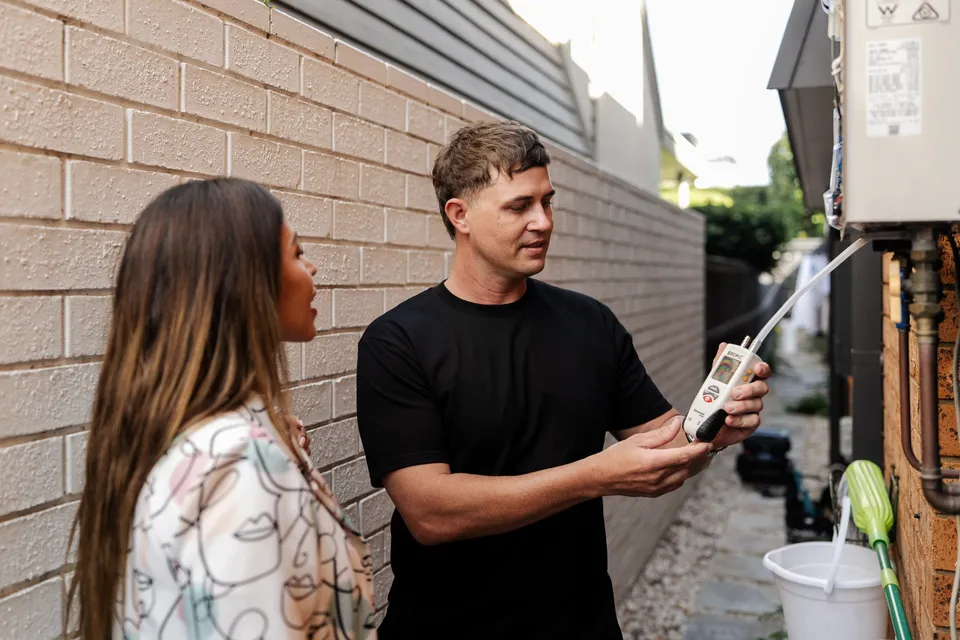
Three signs point past the washer: a drip that carries on after a new washer has gone in, water appearing at the handle, or a tap leaking from the base. Each points to a different worn part.
The likely culprits are:
- a valve seat damaged by grit or by years of hard closing;
- an O-ring or the seal around the spindle letting water climb the spindle;
- a connection that has worked loose under or behind the wall plate;
- a cartridge past its life in a mixer;
- a tap body cracked or eaten away by corrosion.
Fixing or replacing those parts counts as minor work under the QBCC's categories. A licensee handles minor work without a permit and without a Form 4, so the paperwork never adds to the job.
One habit worth breaking: forcing a tap shut does not cure a drip. Extra pressure grinds the washer into the seat and wears both down faster, which is why an overtightened tap often drips worse within weeks.

Who Pays for the Water a Tap Wastes
A slow drip can waste thousands of litres of water over time. The property owner pays for every litre of it, because all water recorded on the meter is billed to the owner, leaks included.
Urban Utilities, the water utility for this side of Brisbane, runs a concealed leak adjustment for water lost from hidden pipe failures. That adjustment leaves out leaking taps, along with toilet cisterns and other water appliances, so a drip you can see is a drip you pay for twice: once in parts, once on the bill.
Rented homes carry the same split. Under Queensland tenancy law, the owner or property manager has to keep the premises in good repair for the whole tenancy. A dripping tap counts as a routine repair once the tenant reports it, so the loss lands on the owner either way.
When to Call a Plumber
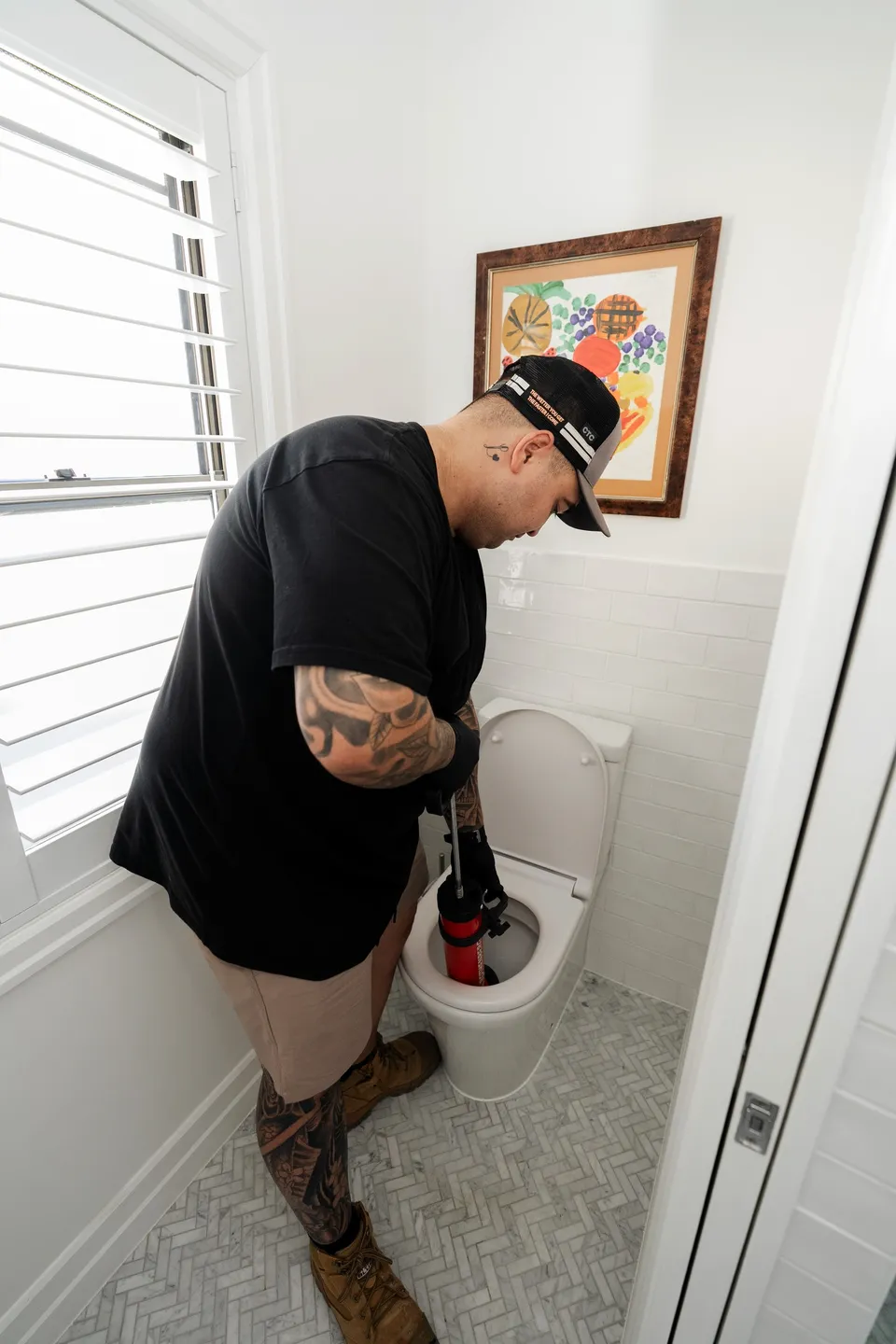
Call a licensed plumber when the drip survives a washer swap, when water shows at the handle or base, or when the job goes past the washer. Queensland's unregulated list stops at the washer, and so should the home handywork.
Aspley Plumbing Services handles tap repairs of every kind. That runs from a postwar-era washer tap on an original basin to a modern mixer needing the right cartridge matched and fitted.
Dripping Tap FAQs
Call (07) 3524 7137Why does my tap keep dripping after I turn it off?
A worn sealing part is the cause: the washer or the valve seat on a washer tap, or the ceramic disc cartridge on a mixer. Forcing the handle closed only grinds those parts down faster.
Do I need a licence to change a tap washer in Aspley?
No, the QBCC treats that swap as unregulated work, so it needs no licence, approval or report, provided the result reaches the minimum standards. Every other tap job, cartridges included, belongs to a licensed plumber.
Why does my tap leak at the base or handle?
Water appearing there rarely involves the washer. The usual causes are a failed O-ring or spindle seal, a fitting that has worked loose, or a cracked body, and a QBCC licensee repairs any of them without a permit or a Form 4.
Who pays for the water a dripping tap wastes in Aspley?
The property owner does. Every drop the meter records goes on the owner's account, leaks included, and Urban Utilities will not adjust for it, because the concealed leak allowance excludes leaking taps.
Call Us About the DripWe'll call you back.
Phone (07) 3524 7137 for a licensed plumber in Aspley. We work under QBCC No: 15024607, with flat-rate pricing, no hidden fees and same-day where we can.
To claim your $0 call-out fee, call (07) 3524 7137 today.